The object of the plowing is to get the sods rotted thoroughly before the following spring; then apply manure and plow deeply, six to twelve inches, according to the soil.
Where the old garden is to be plowed up, if there has not been time to get in one of the cover crops suggested, plow as late as possible, and in ridges.
If the soil is light and sandy, fall plowing will not be advisable. Instead, in the beginning of the spring work put on the manure and plow at once.
If a soil suffer from shortage of rainfall, the labor of double plowing will be well repaid. If that is the case, the ground should be plowed once, deeply, before the manure is spread on, and then cross-plowed just sufficiently to turn the manure well under--say five or six inches.
On stiff lands, and especially for root crops, it will pay if possible to have the sub-soil plow follow the regular plow. This is, of course, for thoroughly rotted and fined manure; if coarse, it had better be put under at one plowing, making the best of a handicap.
FIND OUT MORE:
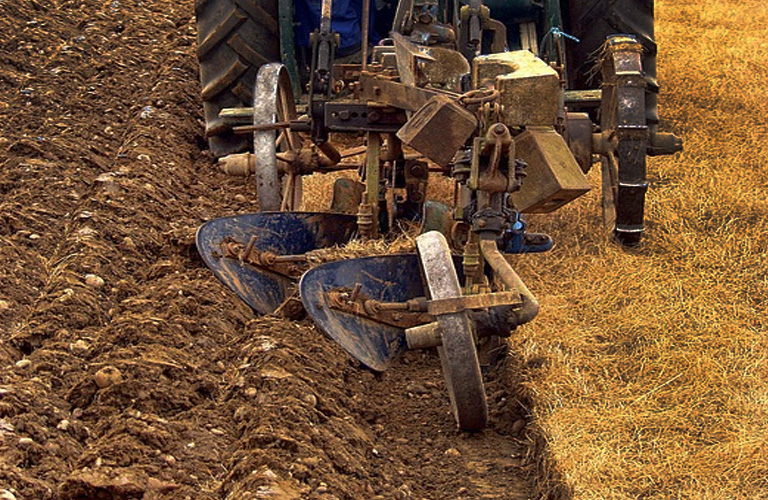
NOTE: If you have arranged to have your garden plowed by someone else, be on hand to see that no shirking is done, by taking furrows wider than the plow can turn completely; it is possible to "cut and cover" so that the surface of a piece will look well enough, when in reality it is little better than half plowed.